
One of the things we have wanted to do since moving to Vancouver Island is to find hidden gems, or perhaps not so hidden these days, but places we have not been to yet. Our most recent adventure took us to the Eternal Fountain, a karst spring on northern Vancouver Island that is part of a large underground cave system approximately 25 km long.
As some people may know, we are based in the Comox Valley on Vancouver Island, and one of the areas that is now closer for us to explore is northern Vancouver Island. This has included places like Port McNeill, Port Hardy, Cormorant Island (Alert Bay), Malcolm Island (Sointula), as well as stunning locations such as San Josef Bay and Little Huson Caves, among others.
Where is the Eternal Fountain?
The Eternal Fountain is nestled in the forest a little outside of Port Alice, Vancouver Island. There are two main ways to get there but a friend recommended a way which ended up being, what we thought, more direct.
Leaving from Port McNeill head North until you reach Hwy 30 (Port Alice Rd) and turn left onto it.
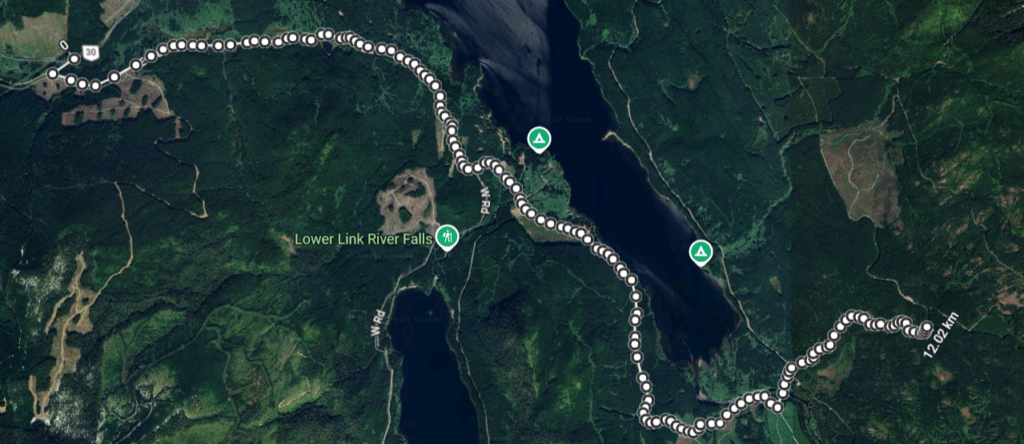
Follow Hwy 30 for about 25km. Look for the turn off for Link River Campground. The rest of the route is active logging roads once you turn off of Hwy 30. Remember, yield to any Logging Truck you come across!
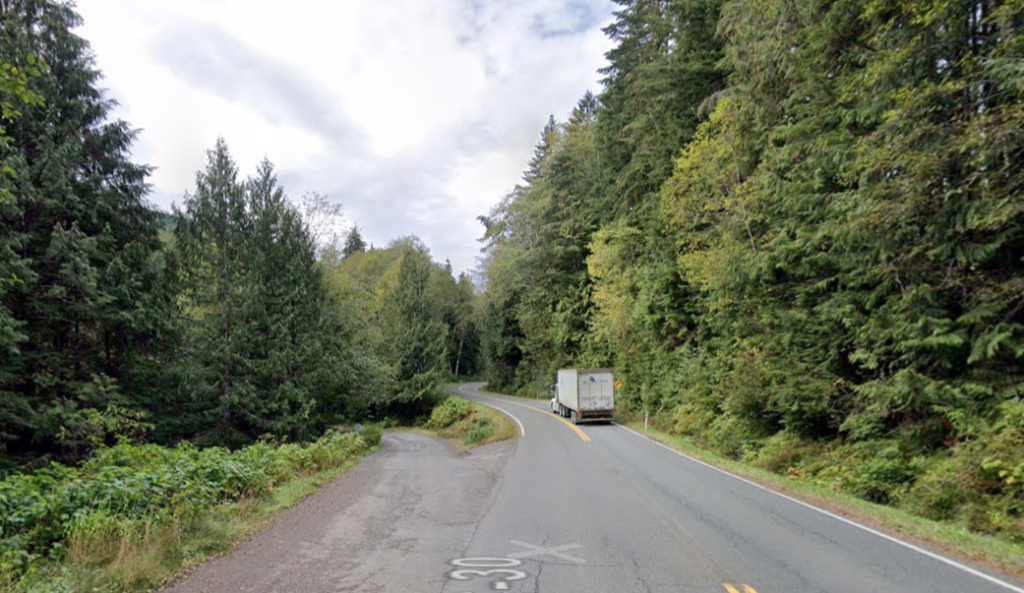
From there you will follow the SE Main Logging road for approximately 14km. If it helps, I used Waze and followed it the whole way and it was totally accurate during the logging road trip.
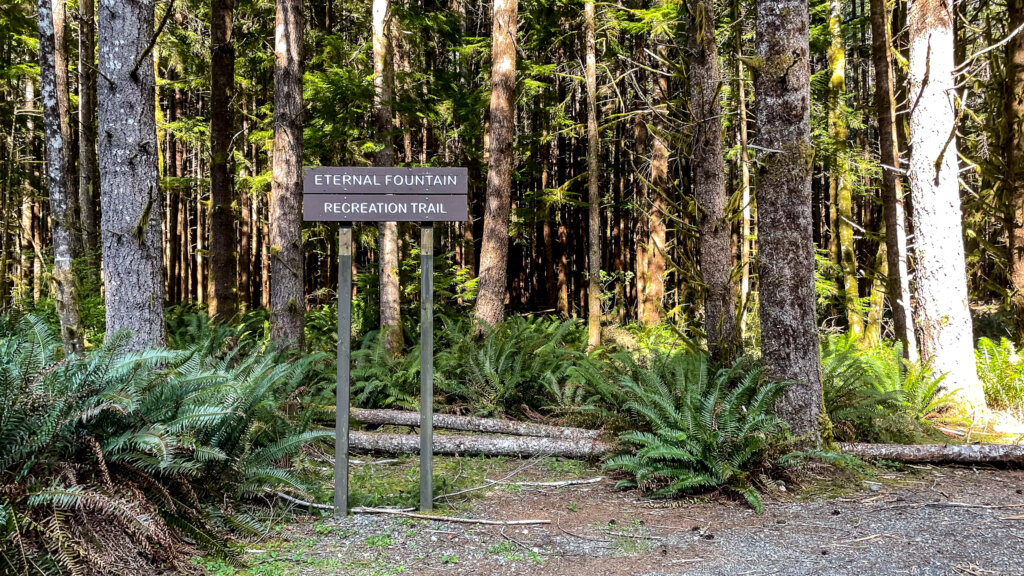
You will know you have reached your destination when you see the Eternal Fountain sign. There is a small area that can accommodate a couple of parked vehicles.
Exploring the Area
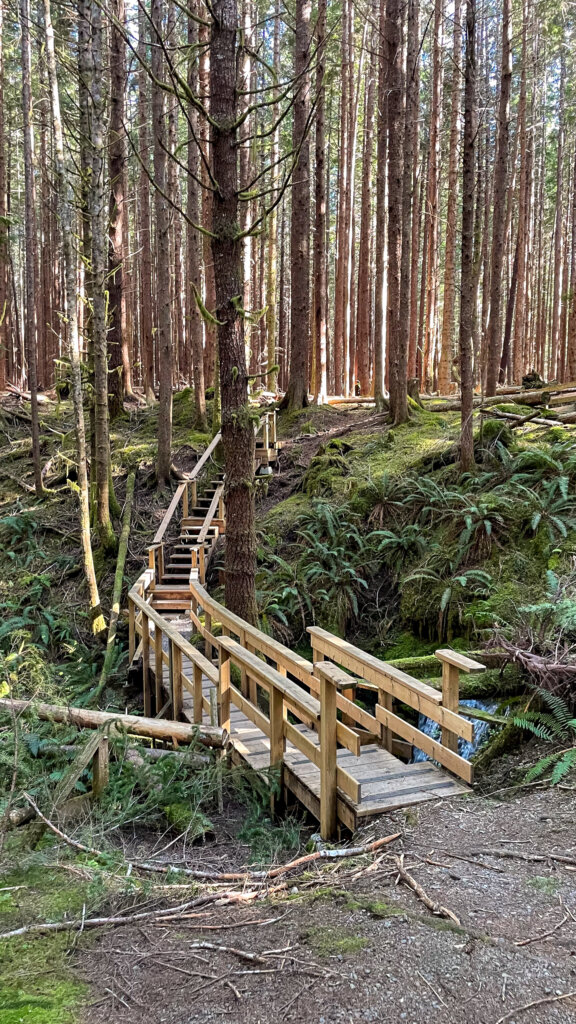
The area itself is not that big. The Eternal Fountain itself is approximately 5 minutes from where you park your vehicle and fairly easy walk. When we went, we were the only people in the area and the forest is pretty quiet except for the sound of running water.
The viewing area is right next to the waterfall, or a karst resurgence (spring) waterfall. That means the water comes out, falls and then goes back into another cave (called a swallet). When you view the Eternal Fountain, you will notice it actually flows back into the cave below it.
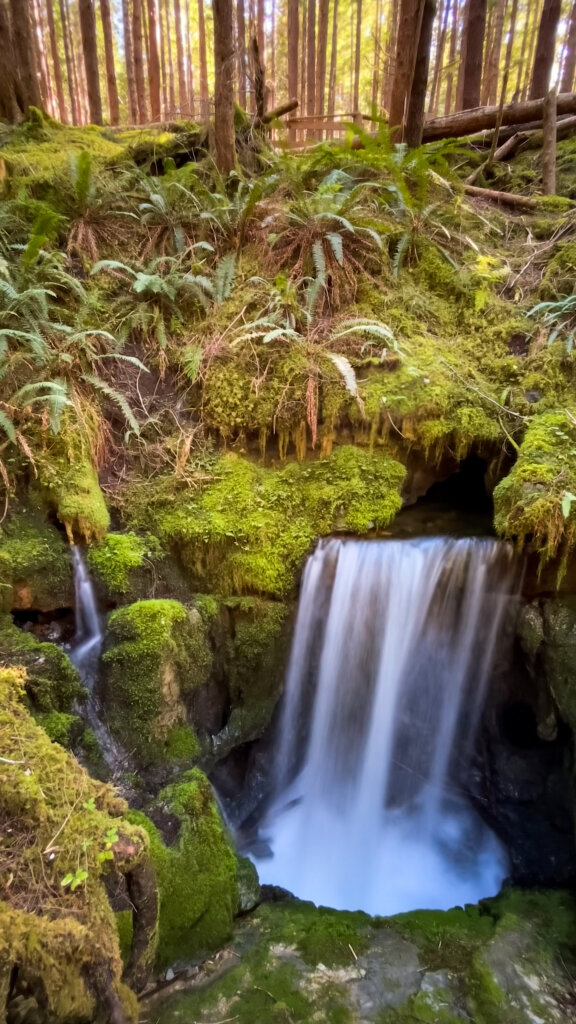
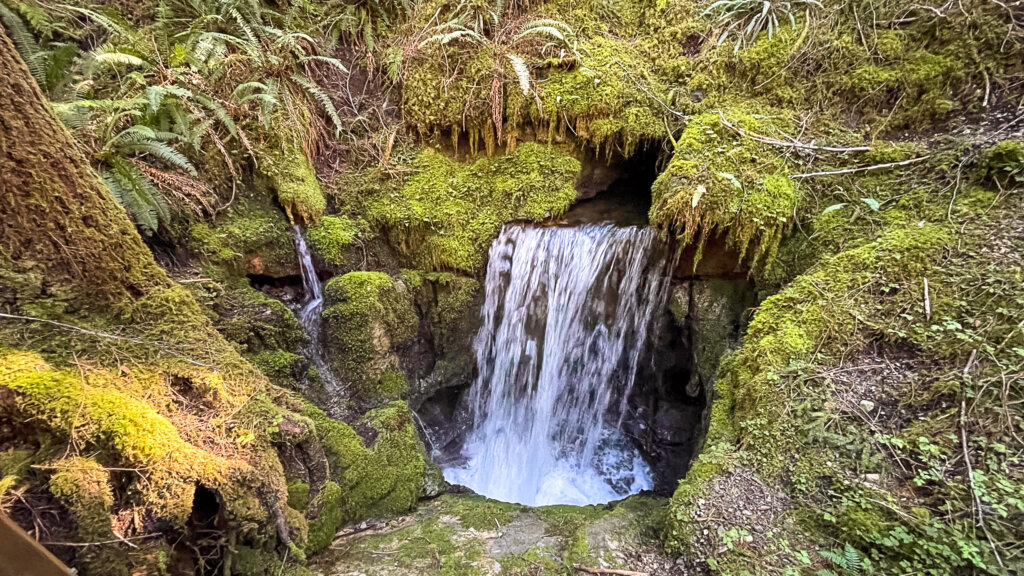
I could spend an eternity there watching the water come out from one hole spill down and then go backwards into a different hole. It’s amazing that this is a part of a 25 km underground cave system.
Other Karst Features Along the Trail
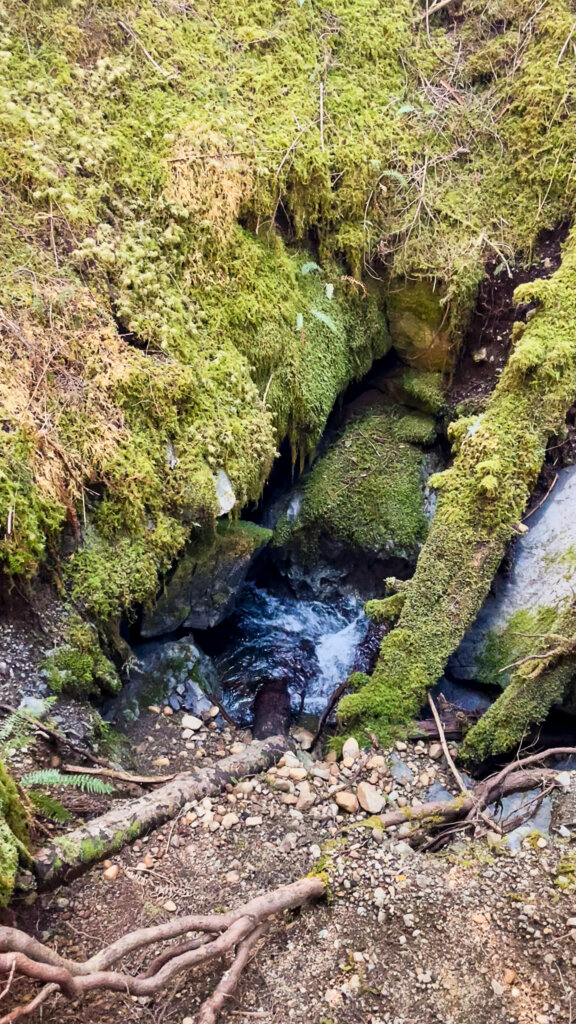
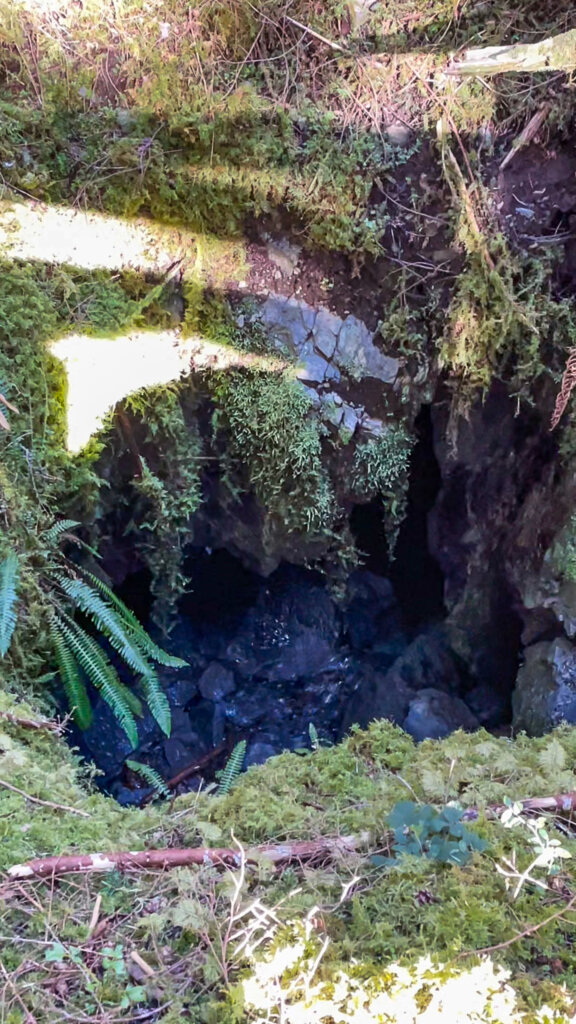
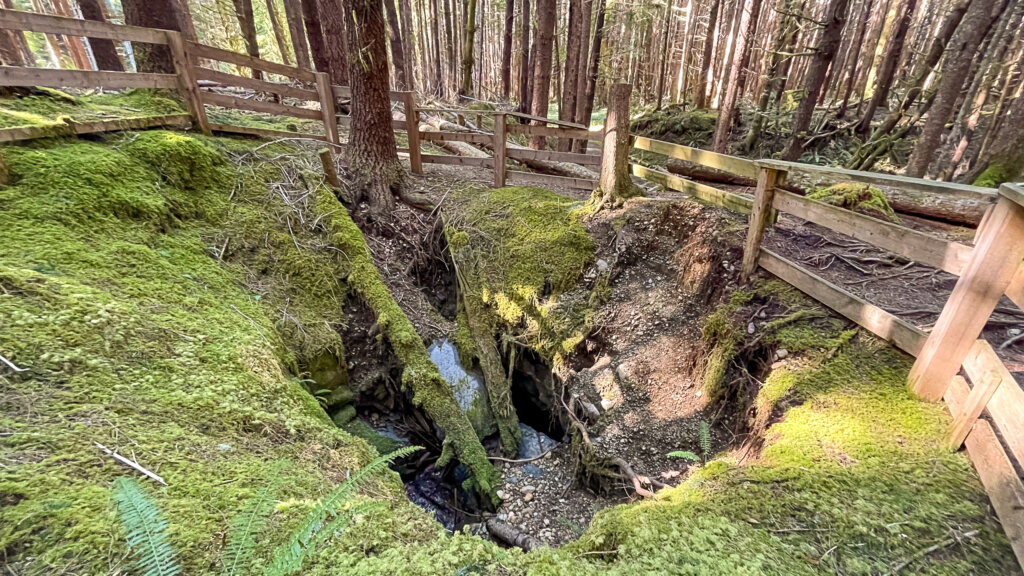
When you cross over the viewing platform you come to a sign that shows the trail path around the immediate area. There are a couple of karst windows you can walk to within a short distance. What is a karst window? A karst window is a portion of an underground water system that over time, has become exposed at the surface. You can not only hear the water flowing at these windows, but you can actually see it too.
Photography Notes
For those interested in photographing the Eternal Fountain, I have a few practical notes from my visit. The enclosed forest setting and moving water make it a challenging but rewarding location to photograph.
If you can, bring a dedicated camera. I was not completely happy with the image quality from my iPhone 12 Pro. My Nikon Z6ii was unfortunately left in the vehicle, which I definitely regretted once I saw the scene.
A wide angle lens is very useful here. The viewing platform is quite close to the feature, so a wider field of view helps capture both the scale and the surrounding environment.
A tripod is also worth bringing if you have one. The platform itself is stable, but the drop beyond the railing is significant enough that I would not risk resting a camera on it.
If you are shooting with a phone, take your time with composition. Try both portrait and landscape orientations, as the scene works differently depending on framing.
For iPhone users, the Live Photo long exposure option works well here. It helps smooth the water and gives a softer, flowing effect that suits the setting.
Reflections on the Eternal Fountain
The Eternal Fountain is a great example of the unique karst landscapes found on northern Vancouver Island near Port Alice and Port McNeill. For us, it was another step in discovering more of Vancouver Island beyond the Comox Valley, and there is still plenty more to explore.


